

Before ordering peel-and-stick wall panels in bulk, check the exact sample on representative surfaces using the supplier's instructions. Record appearance, adhesion, seam alignment and removal observations against agreed criteria.
For an importer, this review can reveal problems before packaging and inventory commitments grow. We recommend treating sample approval as a purchasing decision with a written record.
Identify the sample before evaluating it
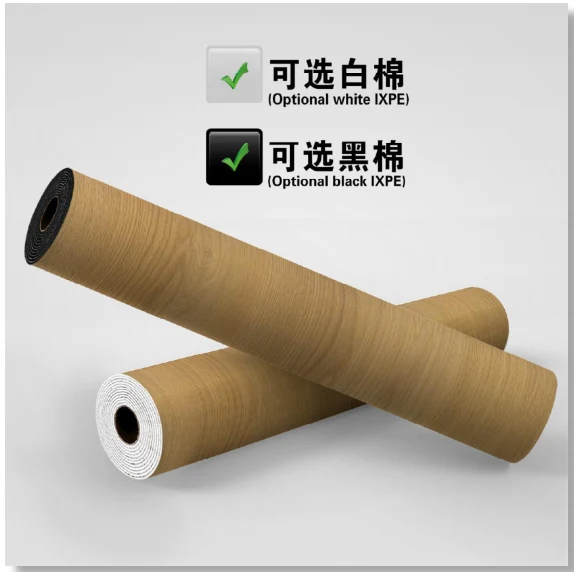
A decorative name does not fully identify a wall covering. Ask for the finish reference, dimensions, layer construction, backing and adhesive version.
Our wall sticker catalog uses WS- codes alongside original finish references. Keep both identifiers on your sample record to reduce ordering confusion.
Ask whether the sample represents the construction proposed for production. If the adhesive, backing or finish changes, review the revised sample before approval.
Choose surfaces that represent your customers
Prepare a small trial area on the intended substrate with the property owner's permission. Follow the product instructions for preparation, application conditions and evaluation timing.
A result on glass does not establish suitability for painted plaster or textured walls. Keep unsuitable or unconfirmed surfaces out of your customer-facing installation claims.
| Record | Why your buying team needs it |
|---|---|
| Substrate and coating | Connects the result to the actual wall surface |
| Surface condition | Identifies loose paint, dust, texture or existing damage |
| Preparation method | Makes the procedure repeatable |
| Application conditions | Records conditions specified by the supplier |
| Sample and adhesive identifiers | Prevents approval being transferred to another construction |
| Observation dates and photographs | Supports comparison and later supplier discussions |
Avoid testing next to cooking equipment or in direct-water locations without confirmed suitability. A decorative room image cannot establish safe application limits.
Review appearance and seam behavior together
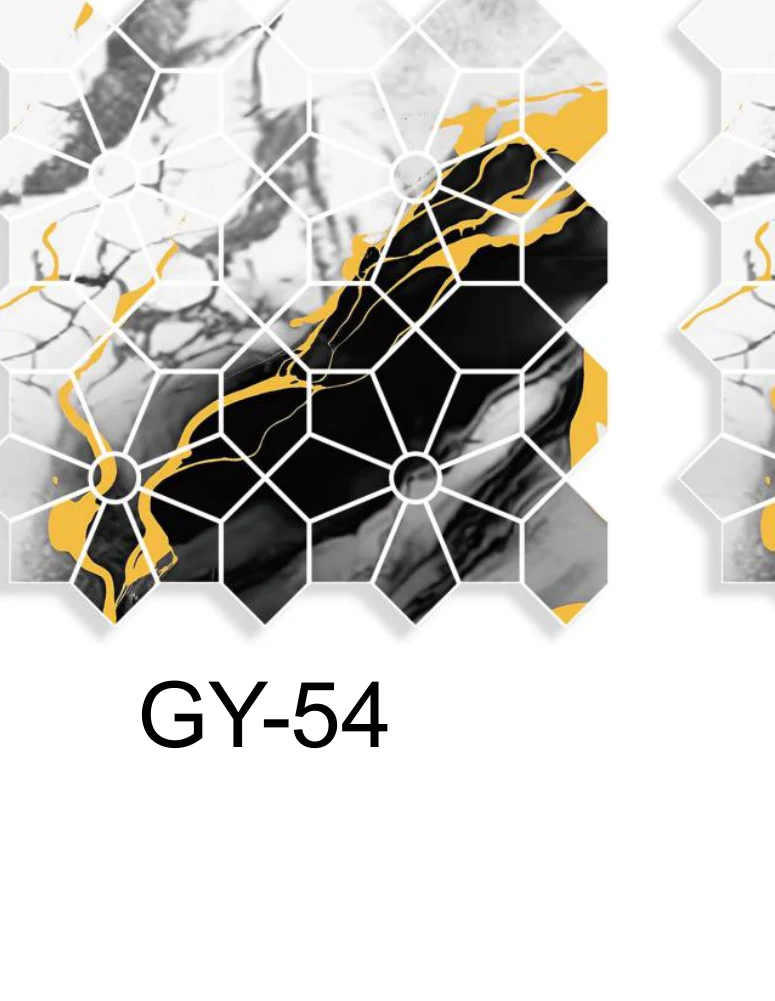
Place adjoining sheets together so you can assess a complete pattern repeat. Check alignment, edge fit, color consistency and visible joins under the intended lighting.
Measure the layout's actual useful coverage rather than relying only on the nominal rectangle. Interlocking patterns and trimming can change the area your customer receives.
Compare more than one sample when evaluating consistency. Agree how production color or dimensional differences will be judged against the retained reference.
Agree observation and removal checks
Ask the supplier to define the observation period and any conditioning requirements. Do not replace a specified procedure with a quick pull immediately after application.
Record edge lifting, movement, visible bubbles or changes in appearance at the agreed intervals. If you observe a problem, preserve the sample and photographs before discussing changes.
If your sales proposition includes removability, agree a removal procedure on the representative substrate. Record residue, coating damage and any repair needed afterward.
A successful trial is limited to its tested conditions. It does not establish damage-free removal from every painted wall or predict the full service life.
Make the approval decision explicit
Set the acceptance criteria before assessing the sample so different reviewers use the same basis. Use separate decisions for appearance, application compatibility and required documentation.
| Decision | Purchasing action |
|---|---|
| Approved for the reviewed conditions | Retain the reference and attach the agreed specification |
| Needs clarification | Request missing construction details or revised instructions |
| Failed an agreed check | Hold the bulk order and review the cause |
| Construction changed | Request a new sample and repeat relevant checks |
Commercial projects may also need applicable fire or emissions evidence for the exact construction. A practical sample trial does not replace those documents.
Turn the sample record into your order brief
Attach the agreed finish, construction, packing and acceptance criteria to your purchase specification. Refer to our bulk wall sticker checklist for the remaining commercial fields.
- Catalog and original finish references.
- Intended surfaces and application limitations.
- Approved sample reference and dated observations.
- Required documents and unresolved questions.
- Quantity, destination and proposed packaging.
Send your sample requirements before approving a bulk purchase. Sample availability, charges and delivery arrangements require confirmation for your request.
Questions buyers ask
Does peel-and-stick mean damage-free removal?
No, the installation method alone cannot establish removal performance. Review the adhesive, substrate, preparation and removal instructions together.
Can one approved sample cover every finish?
Only if the relevant construction and approval scope have been confirmed. Different backings, adhesives or surface layers can require separate evaluation.
Does this guide provide a laboratory test method?
No, this is a buyer's sample review workflow. Use the applicable formal test method when your project requires a measured performance claim.