
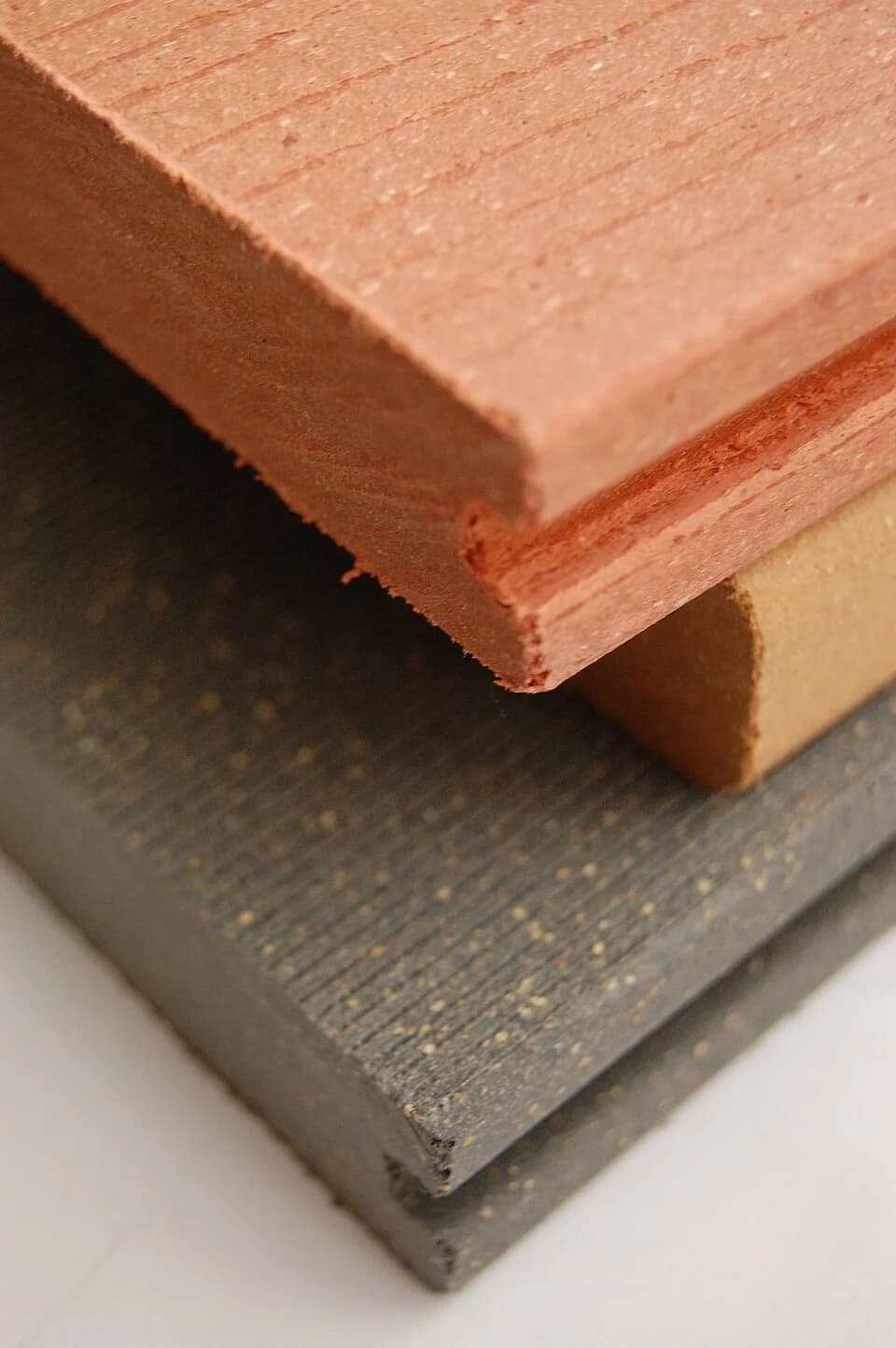
A sample board should help a buyer compare materials after the screen is closed. It needs product identity, appearance notes and open questions that require supplier confirmation.
Use it for internal approvals, customer presentations and repeat-order reference. Keep decorative preference separate from technical or compliance approval.
Label the sample before placing it
Write the catalog code, original finish reference, supplier name and date on every sample. Add dimensions and construction notes when they are available.
Our catalog pages provide model references for shortlisting. A sample board should preserve the exact reference rather than rely on a collection name.
| Label field | Purpose |
|---|---|
| Model code | Links the sample to a quotation |
| Finish reference | Prevents color or texture substitution |
| Construction note | Separates panels, coverings and profiles |
| Dimensions | Supports layout and packing questions |
| Supplier and date | Creates a traceable review record |
| Status | Approved, pending, rejected or superseded |
Photograph the front, back and label before moving the sample. Mark any missing field as open rather than guessing it.
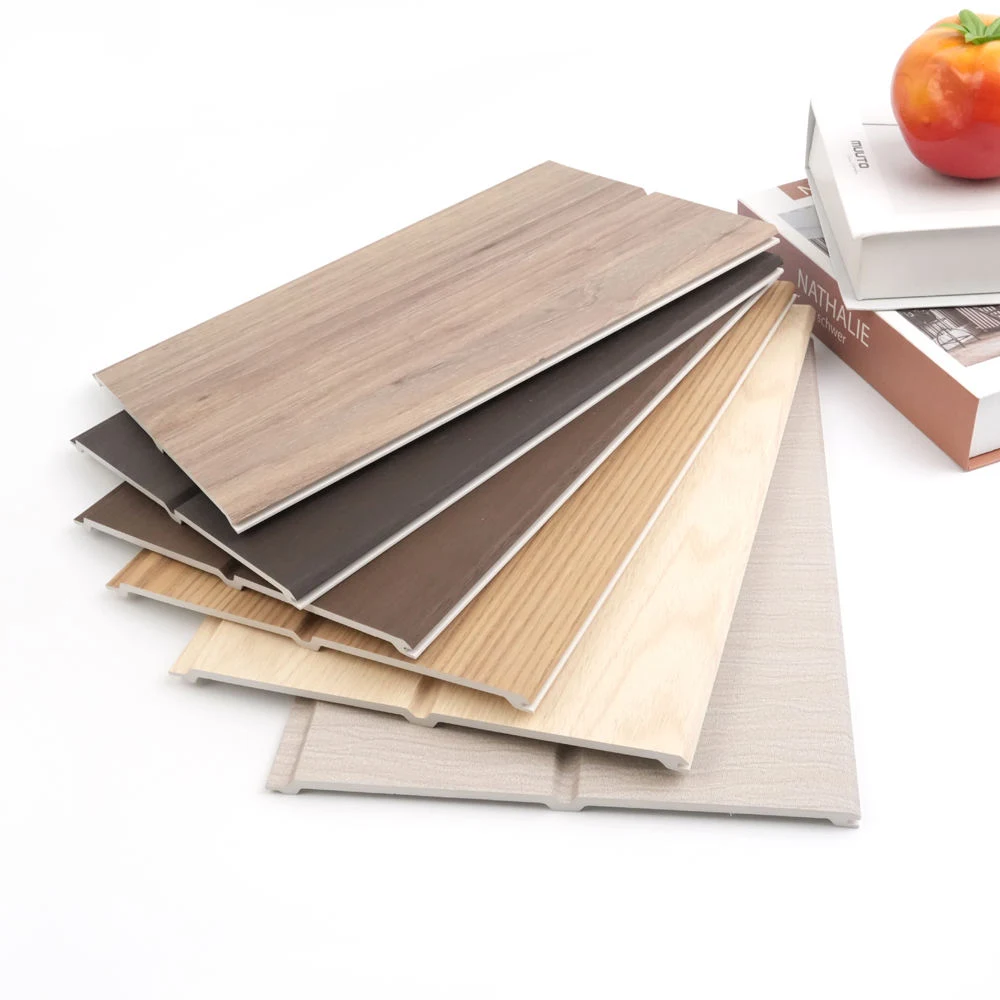
Show the finish at a useful scale
Small swatches can hide pattern repeat, joints and surface variation. Add a larger assembled reference when the project depends on the full layout.
Review the sample under the intended lighting where possible. Record whether the finish changes between direct, warm or cool light.
Avoid presenting an independent room photograph as your product installation. Link visual references to the actual sample and mark illustrative images clearly.
Add dimensions and application notes
Record overall width, thickness, length and effective cover width when confirmed. Explain which figures are listed and which still need supplier verification.
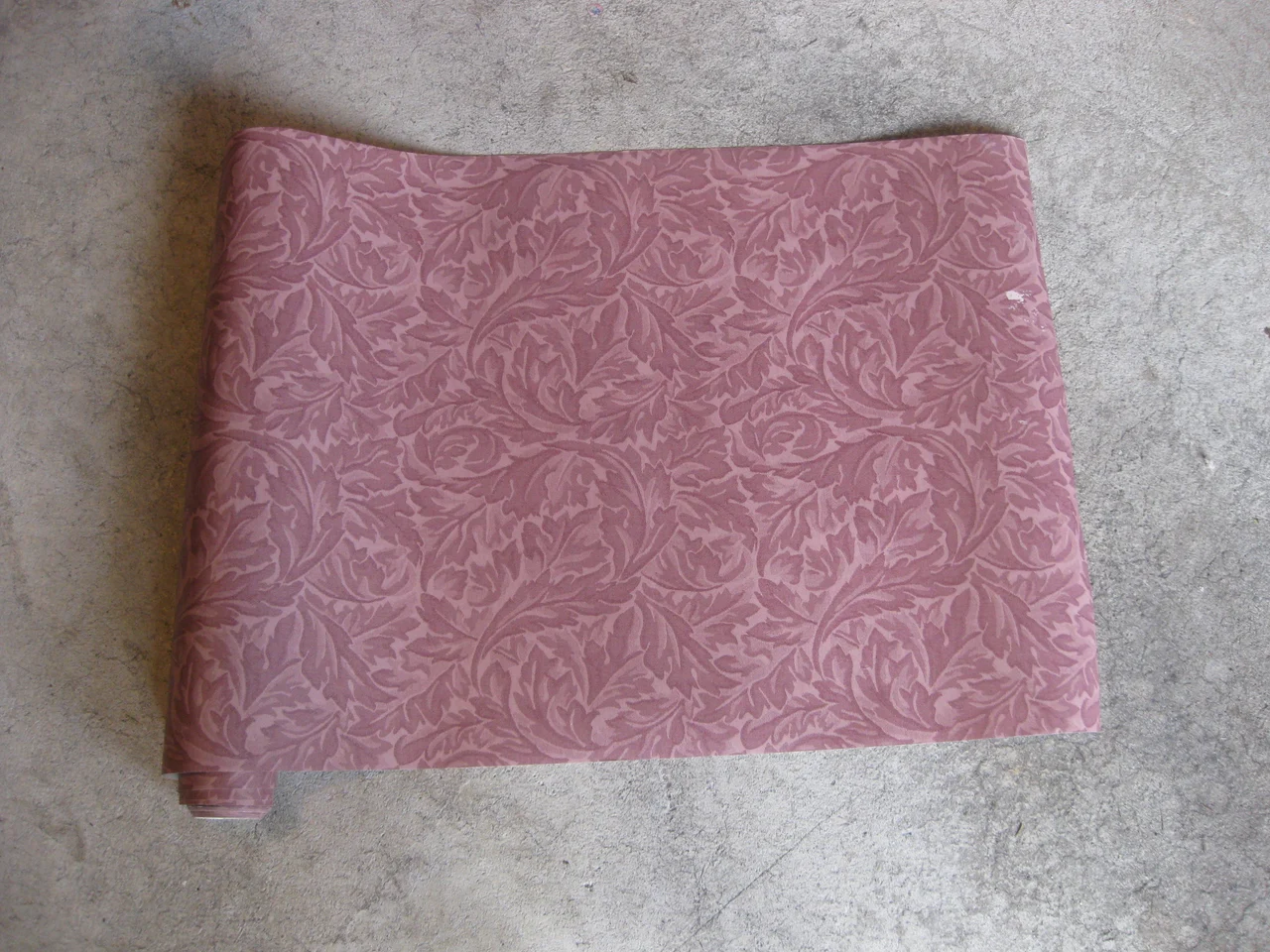
For adhesive-backed coverings, note the intended substrate and application instructions. For rigid panels, note profile, joint, trim and fixing questions.
Do not let a beautiful board hide an open specification. Put unresolved documents, dimensions and installation questions beside the relevant sample.
Separate decisions by approval type
Use separate marks for visual approval, application review and document review. A buyer can approve the color while still holding the product for technical confirmation.
This separation helps salespeople answer accurately when a customer asks whether a sample is ready to order. It also prevents a showroom presentation from becoming an unsupported performance claim.
| Approval type | Example question |
|---|---|
| Visual | Does the finish and texture meet the brief? |
| Identity | Does the sample match the quoted model? |
| Application | Is the substrate and installation method defined? |
| Documents | Are applicable reports and instructions available? |
| Commercial | Are MOQ, price, packing and lead time confirmed? |
Keep the answer and reviewer name with the sample record. Do not mark every column approved because the finish looks right.
Manage changes and rejected samples
Give superseded samples a visible status and remove them from active sales use. Keep one archive reference if the change affects a past quotation or customer conversation.
When a surface, adhesive, backing or profile changes, request a new review. A supplier's revised photograph does not automatically replace the approved sample.
Turn the board into a quote brief
Send the selected model list, quantity, application and destination with the sample status. Include packaging, documents and inspection questions in the same brief.
Use the sample approval page and inquiry form to start the conversation. Final availability, price and delivery require a current written response.
Questions buyers ask
Can a mood board replace a product sample?
No, a mood board communicates style while a sample shows a selected finish. Keep inspirational images separate from the approved product reference.
Should I keep rejected samples?
Keep an archive record when it explains a past decision, but mark it clearly and remove it from active sales use. This reduces accidental quoting of superseded finishes.
Does visual approval mean the product is suitable?
No, suitability depends on the application, installation and required evidence. Complete the separate technical and commercial reviews before ordering.